For centuries, humanity has underestimated pigeons. We dismissed them as “rats with wings,” glorified park decorations, or mildly annoying sidewalk supervisors. But what if the pigeons were not merely surviving alongside us? What if they were organizing? Coordinating? Lobbying? What if the average pigeon perched on a traffic light is actually a mid-level bureaucrat in a sprawling avian government that has quietly shaped human civilization for generations?
This theory may sound absurd, but the evidence is hiding in plain sight.
First, consider the uncanny confidence of pigeons in major cities. Most animals avoid humans. Deer sprint into forests. Cats maintain emotional distance. Squirrels panic dramatically over acorns. Pigeons, however, stroll directly between human feet with the calm authority of someone carrying diplomatic immunity. They do not fear us because they know something we do not: the city belongs to them.

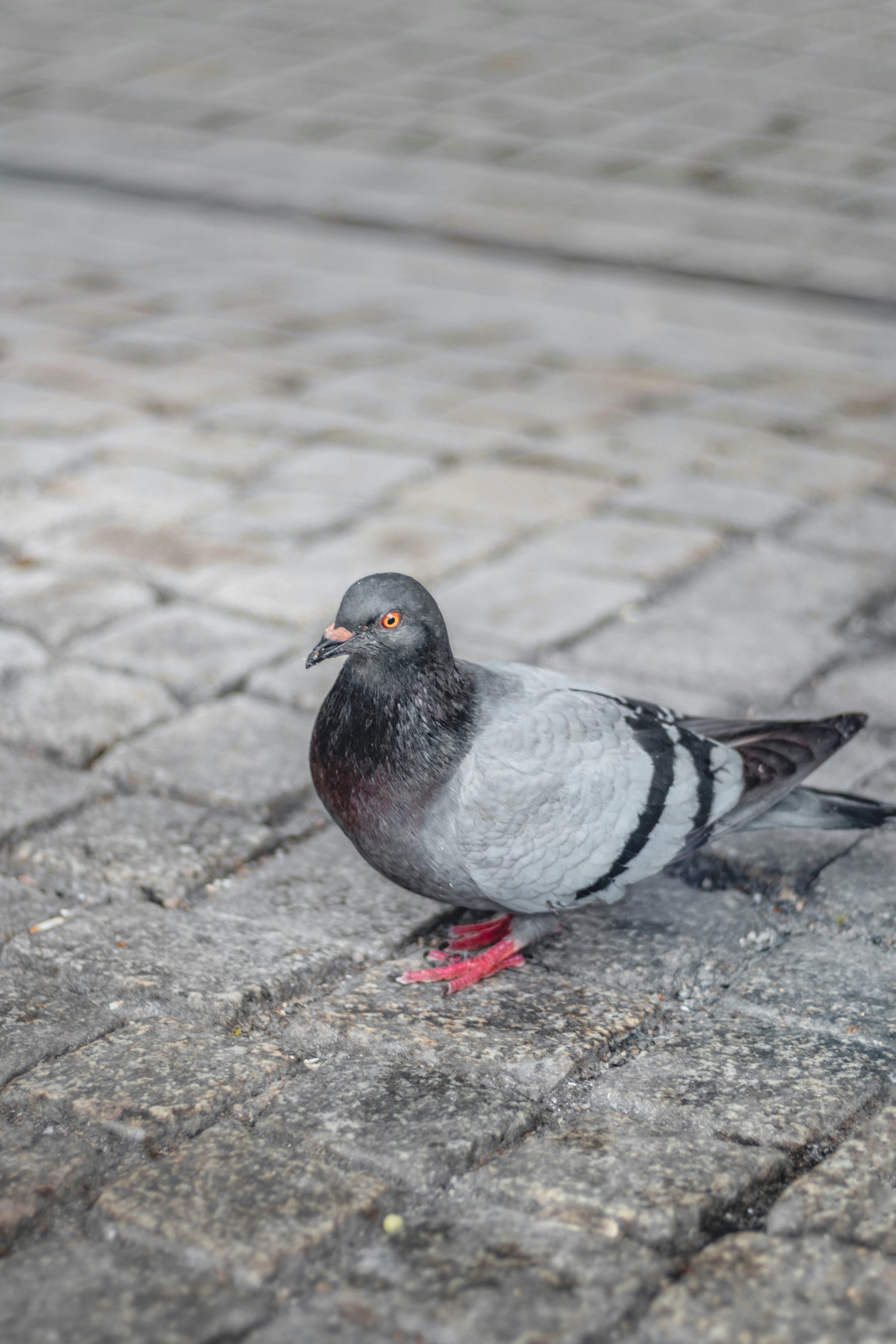
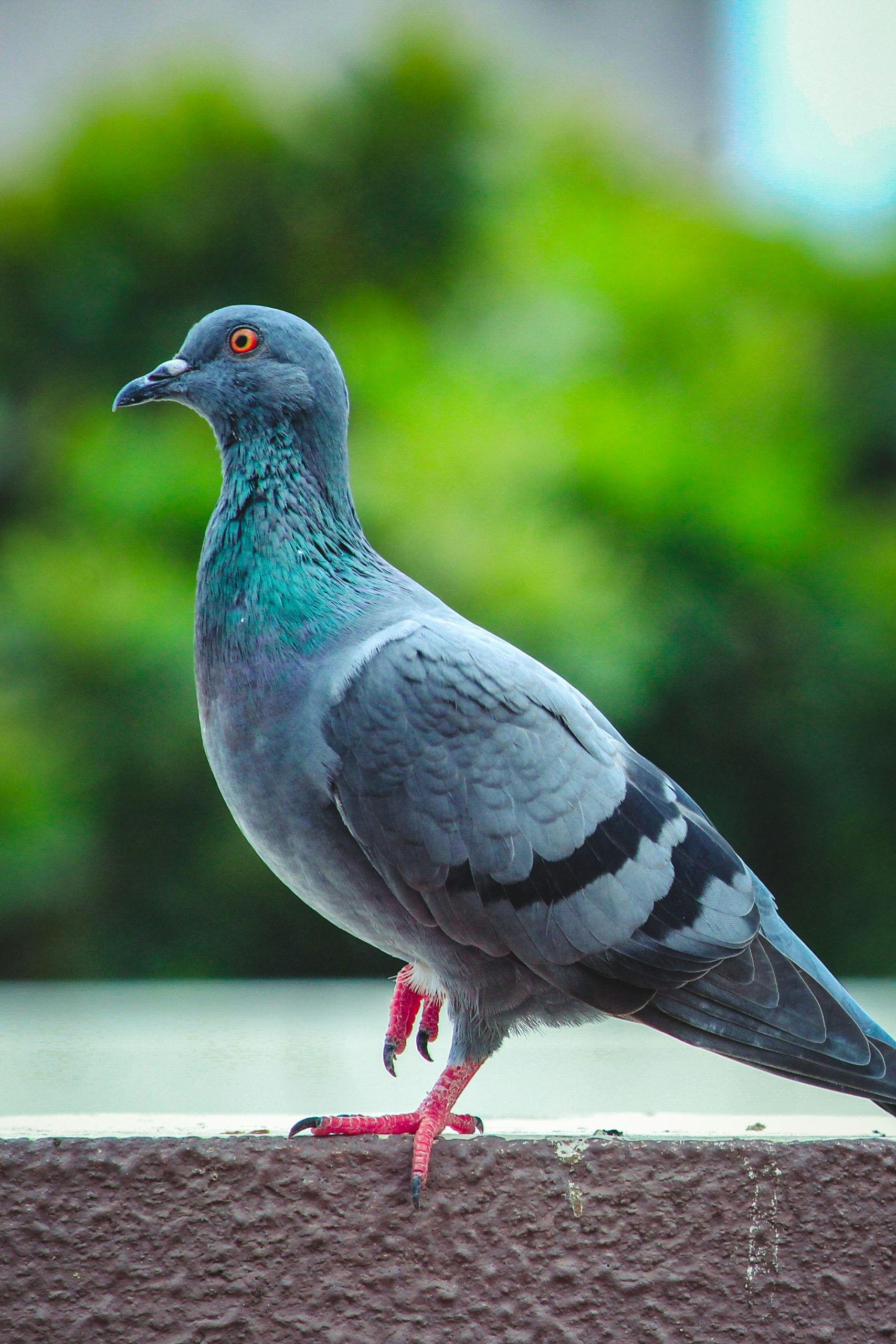
Observe a pigeon crossing a crowded street. It never hurries. It moves with the energy of a government employee walking toward a mandatory meeting that could have been an email. Cars stop. Pedestrians adjust course. Entire streams of human activity bend around one compact bird with orange feet and questionable hygiene. This is not coincidence. This is administrative power.
Historians often remind us that pigeons were once used to carry messages during wars. Supposedly, they were valued because of their navigational abilities. But this explanation raises more questions than it answers. How exactly did humans discover pigeons could deliver messages? Did someone simply throw a note at a bird and hope for the best? More likely, pigeons introduced the service themselves as a strategic move to infiltrate military communications.
Imagine the scene in ancient times:
A general sits in a tent planning battle strategy when a pigeon lands nearby carrying a note. The general reads it, astonished that the message arrived accurately. Nearby, three pigeons exchange knowing glances and quietly secure another government contract.
By the twentieth century, pigeons had fully embedded themselves into urban infrastructure. Public squares became regional headquarters. Train stations operated as transportation ministries. Statues served as ceremonial platforms from which senior pigeons could evaluate city morale while aggressively pooping on tourists.
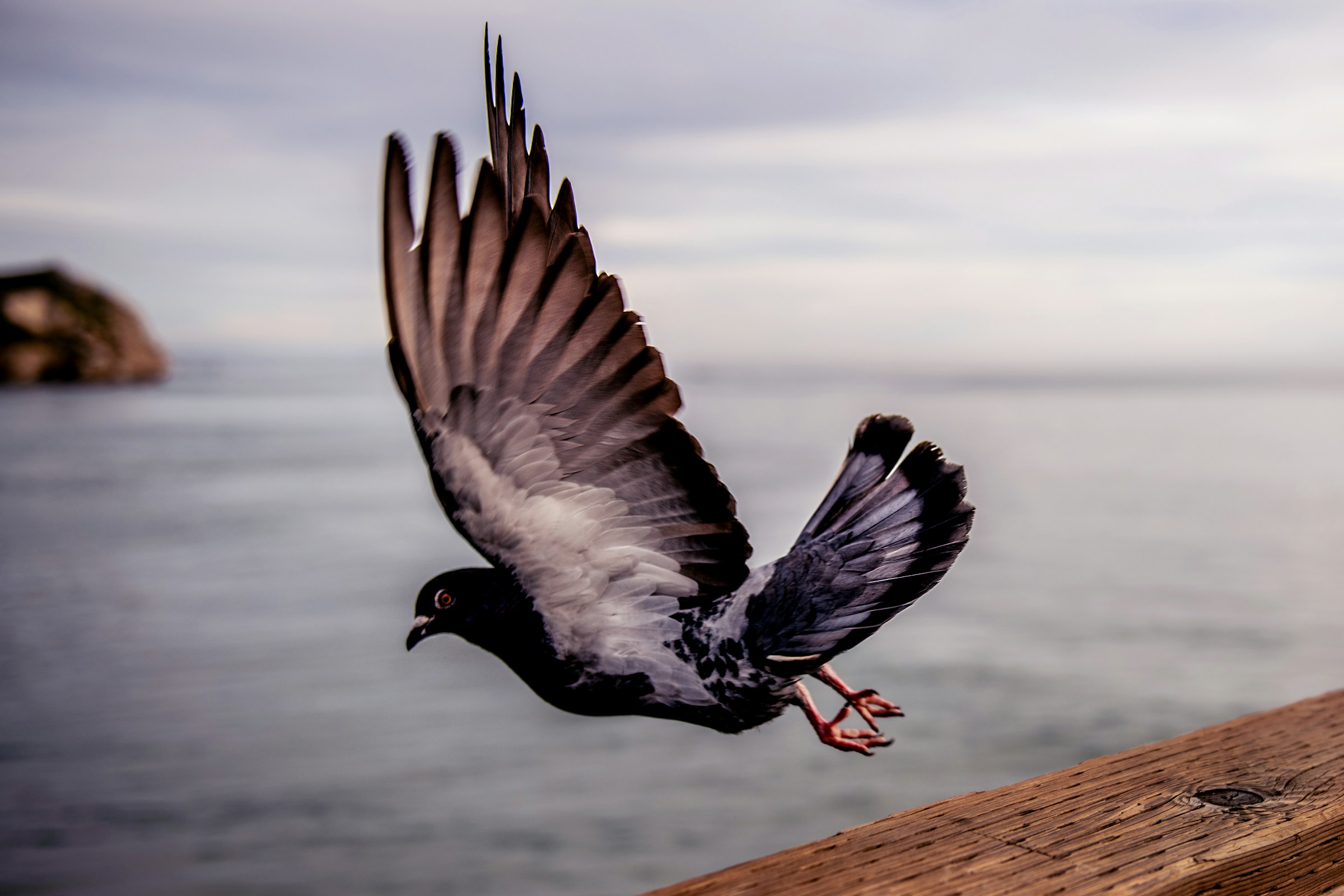
And make no mistake: the pooping is intentional.
Scientists claim pigeons cannot control when they relieve themselves. Convenient narrative. Yet pigeons consistently target expensive suits, freshly washed cars, and the heads of people eating outdoors. Rarely do they strike empty pavement or abandoned shopping carts. This precision suggests either extraordinary coincidence or an advanced airborne taxation system.
Consider also the strategic placement of pigeons during lunch hours. The moment a human unwraps food in a public area, pigeons materialize from nowhere. Not gradually. Instantly. One second the square is empty; the next, twelve pigeons stand nearby pretending not to stare at a sandwich. They approach in coordinated waves. One distracts from the left. Another circles behind. A bold operative advances directly toward the fries. This is clearly organized behavior, likely taught in elite pigeon academies hidden inside abandoned clock towers.
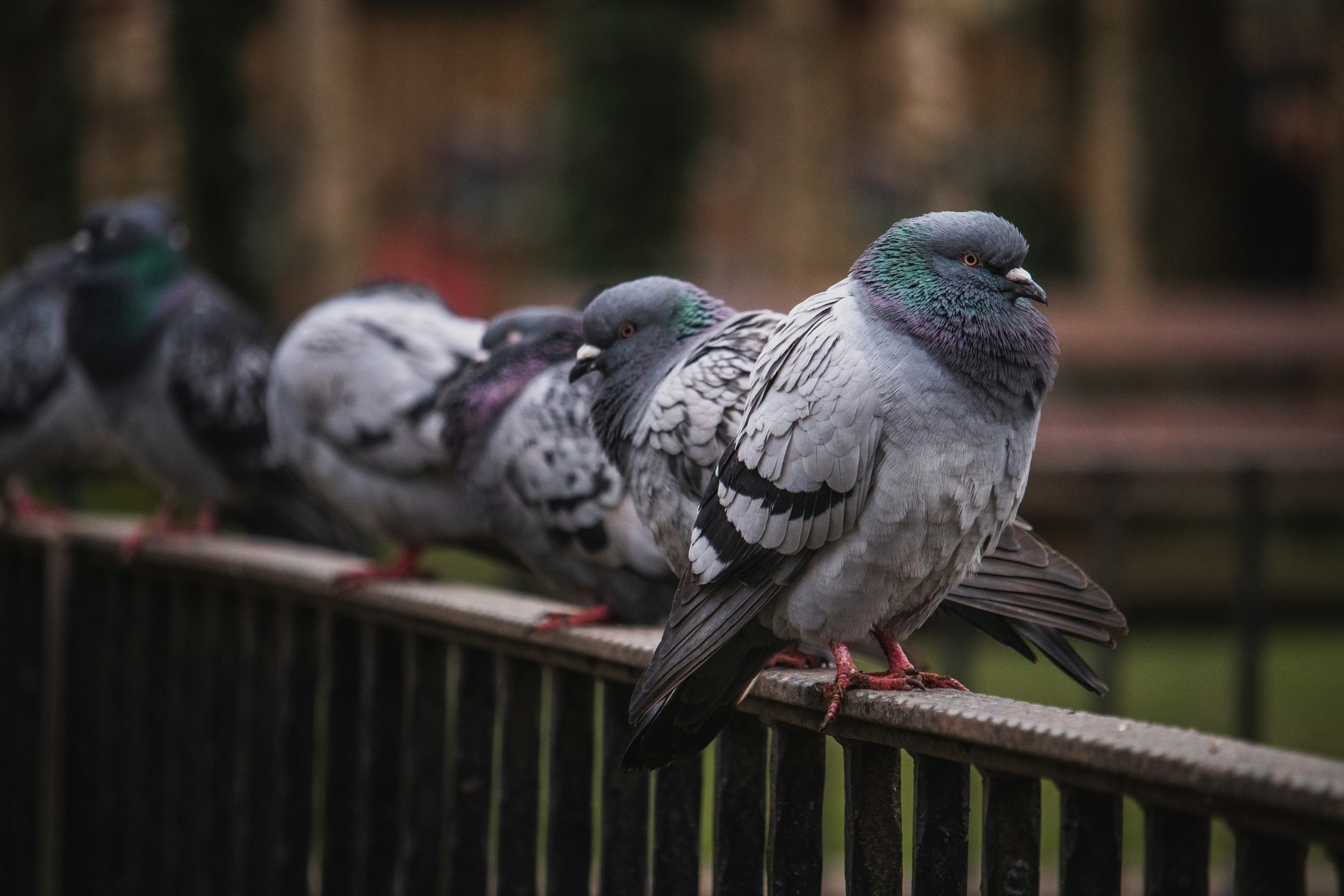
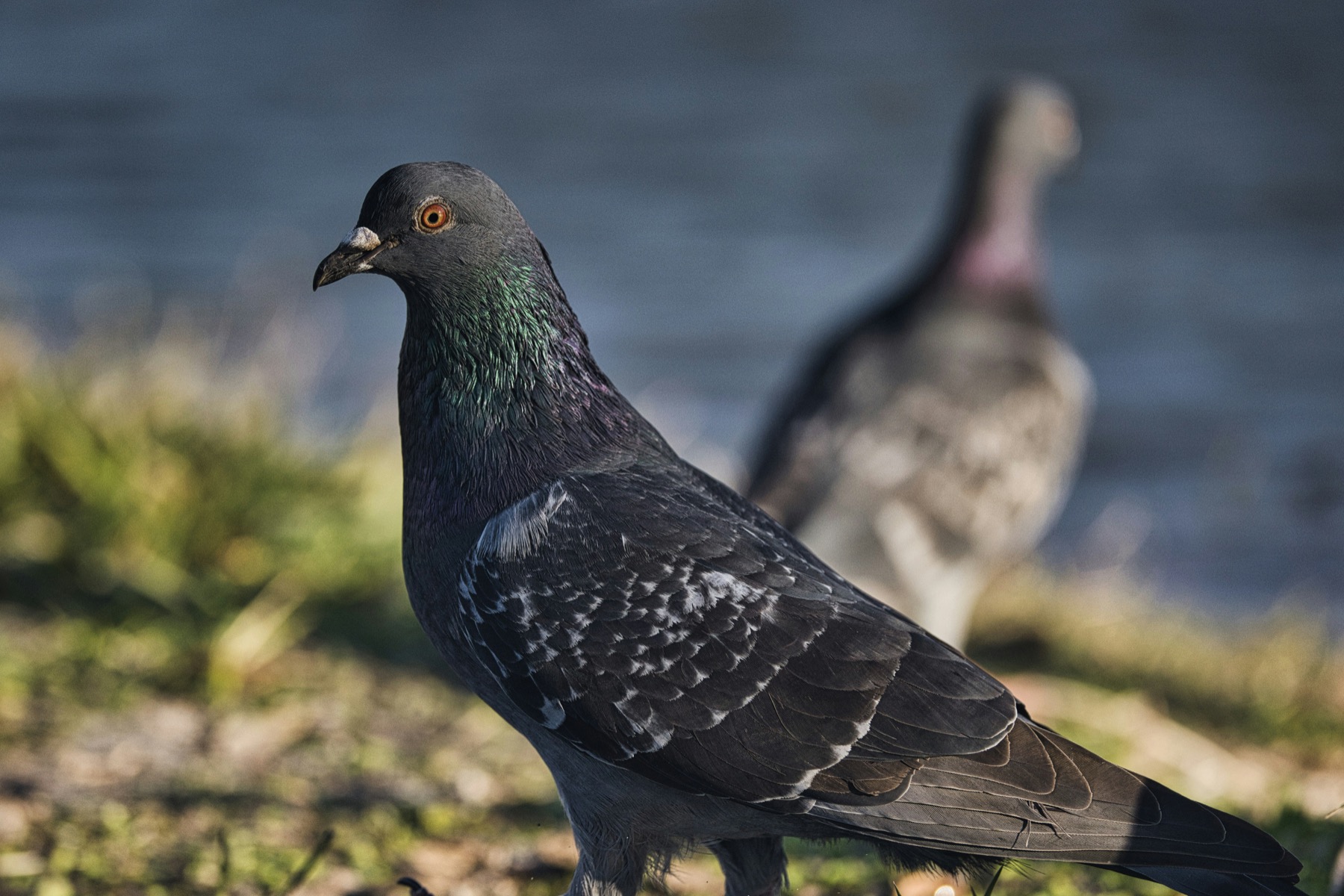
Critics argue that pigeons are too unintelligent to sustain a secret civilization. These critics have clearly never looked into a pigeon’s eyes. There is calculation there. Bureaucratic calculation. The expression of a creature silently judging your inability to locate your train platform while it memorizes the movements of 4.3 million commuters.
Pigeons are also masters of psychological warfare. They understand that humans desperately want to feel chosen by nature. Thus, pigeons occasionally perform small acts of apparent affection: sitting nearby, accepting breadcrumbs, waddling in a charming manner. Humans interpret this as trust. In reality, it is public relations.
Meanwhile, deep within the pigeon hierarchy, promotions are likely determined by metrics such as Crumb Acquisition Efficiency, Statue Occupancy Rates, and Successful Pretzel Extraction Operations.
One particularly suspicious detail is their complete lack of evolutionary ambition. Other birds evolved dazzling feathers, complex songs, or incredible hunting skills. Pigeons evolved into gray lumps with the aesthetic appeal of forgotten office carpeting. Yet they thrive globally. Why? Because pigeons long ago realized that evolution is unnecessary when you can outsource labor to humans.
Think about modern cities. Humans build heated structures, transportation networks, food distribution systems, and public parks. Pigeons contribute nothing except occasional cooing and emotional intimidation. Yet they enjoy all the benefits. From the pigeon perspective, humanity is simply a giant unpaid internship program.
Even their famous head-bobbing may not be what it seems. Scientists explain it as a visual stabilization mechanism. But perhaps it is actually encrypted communication. Every bob transmits information to nearby pigeons:
“Tourist approaching with bagel.”
“Child vulnerable to breadcrumb extraction.”
“Statue sector compromised by skateboarders.”
Entire negotiations could be happening daily above our awareness while humans remain distracted by phone notifications and overpriced coffee.
Naturally, one must ask whether pigeons have long-term ambitions. The answer is unsettling.
Pigeons are patient creatures. They survived empires, industrial revolutions, and the invention of electric scooters. They understand that true power does not require dramatic conquest. It requires subtle dependence. Humans already tolerate pigeons everywhere. We have normalized their presence so completely that removing them from cities would feel psychologically wrong. Imagine a public square with no pigeons. It would seem eerie, unfinished, almost dystopian.
That is how successful their integration has become.
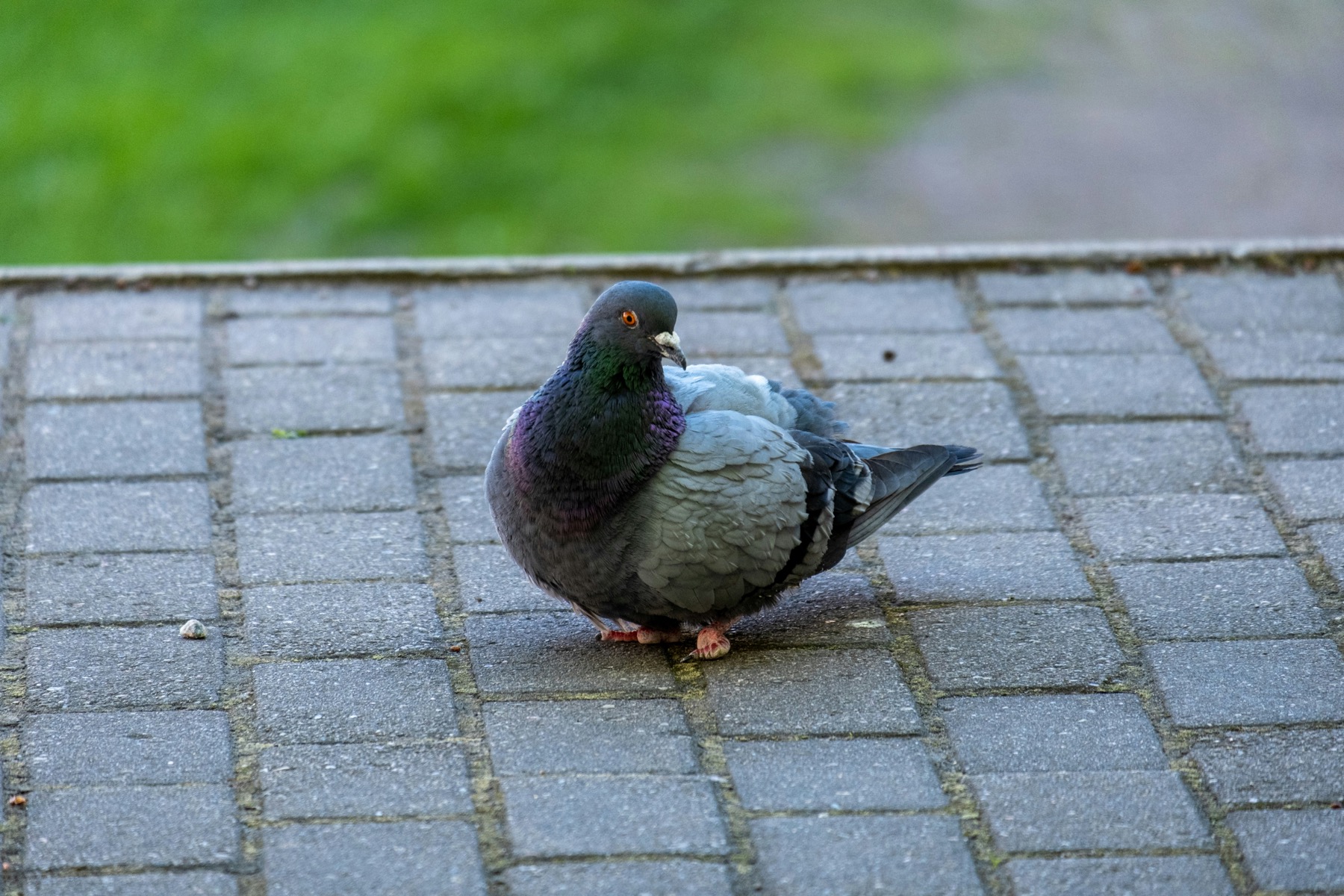
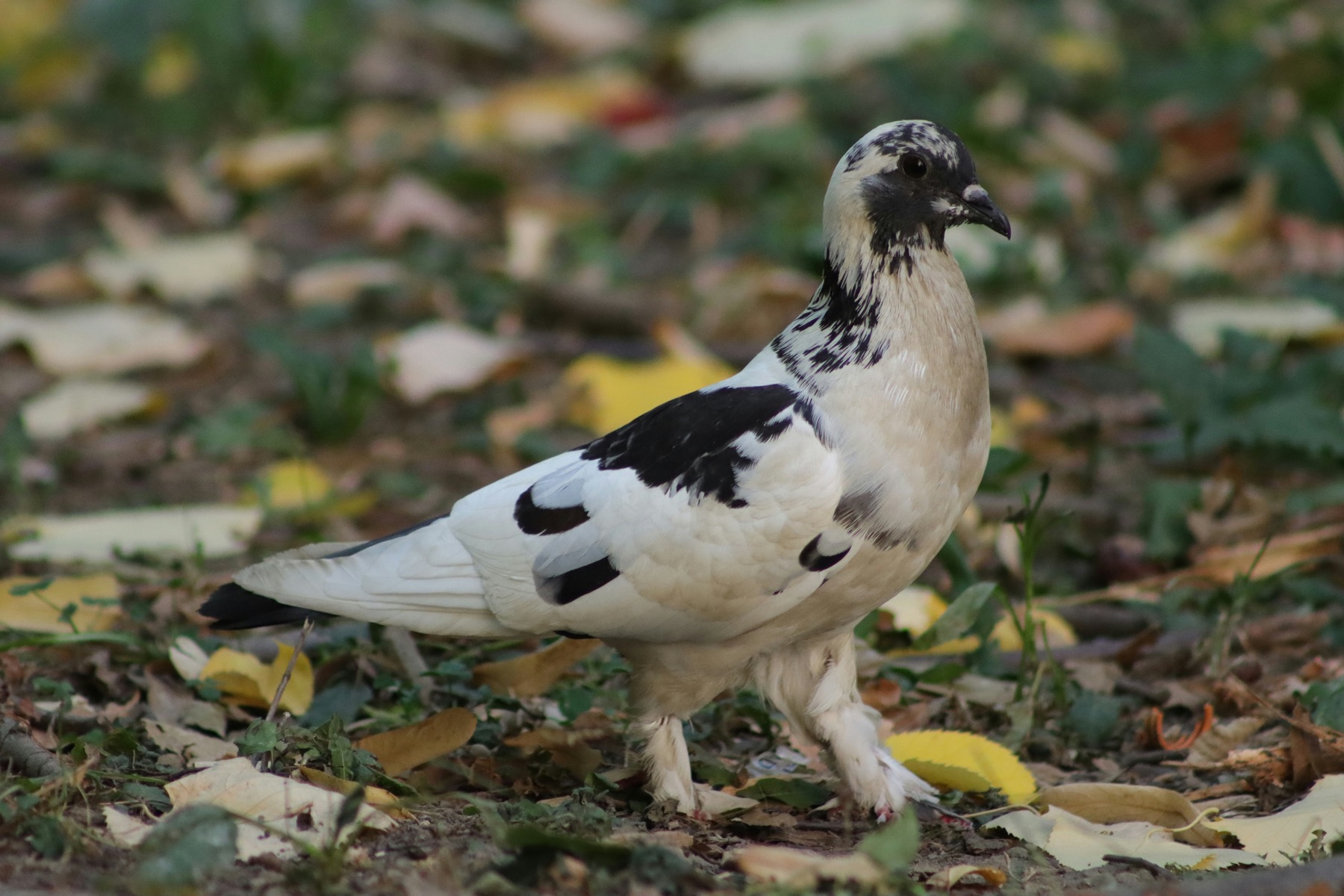
There may even be divisions within pigeon society. The plump park pigeons likely represent the political elite, benefiting from abundant bread subsidies. Leaner subway pigeons may belong to the working class, commuting daily through dangerous tunnels and surviving on abandoned pizza crusts. Rare white pigeons perhaps function as ceremonial aristocracy, appearing only during weddings and symbolic public events.
And then there are the terrifyingly large pigeons sometimes spotted near train stations. These individuals are almost certainly military personnel.
Of course, skeptics will dismiss all of this as nonsense. They will claim pigeons are ordinary birds motivated only by food and survival. But skepticism is exactly what the pigeons rely upon. The greatest trick any secret organization can achieve is convincing the public it is harmless.
So the next time you see a pigeon standing motionless in the middle of a busy plaza, do not assume it is confused. It may be monitoring operations. Evaluating citizen behavior. Preparing quarterly reports for the Central Avian Administration.
Or waiting for you to drop part of your croissant.
Either way, proceed carefully. The pigeons are watching.